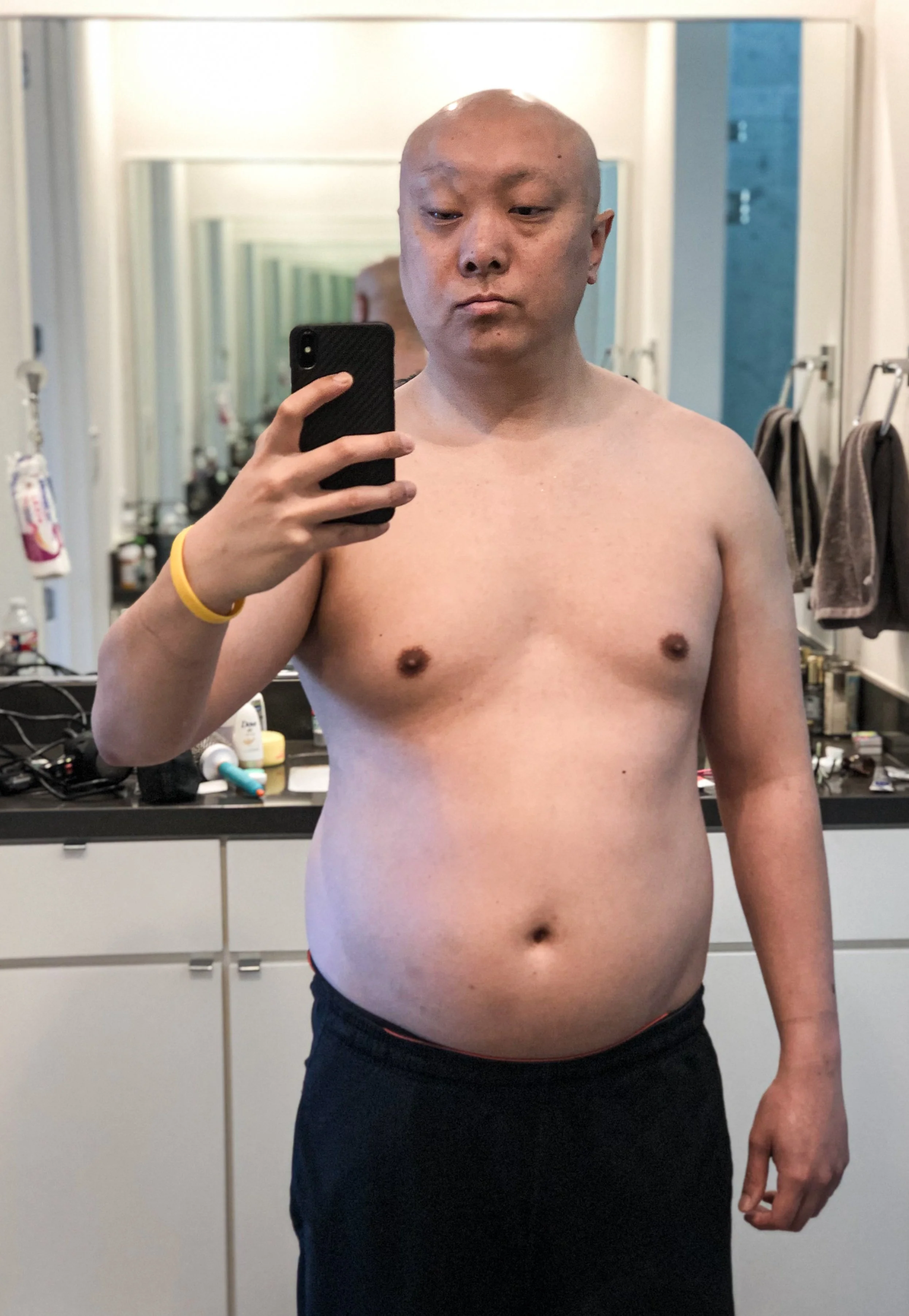
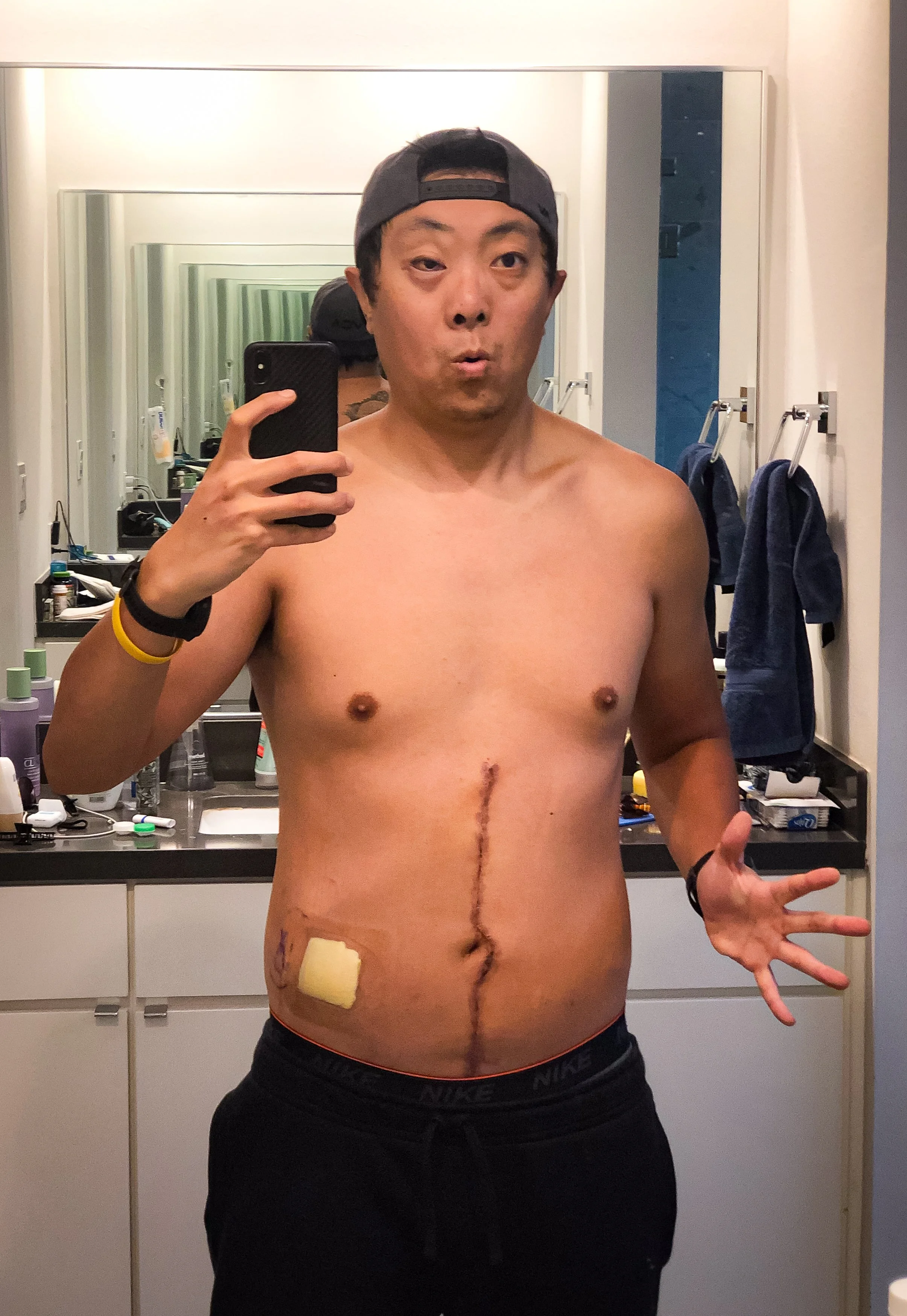
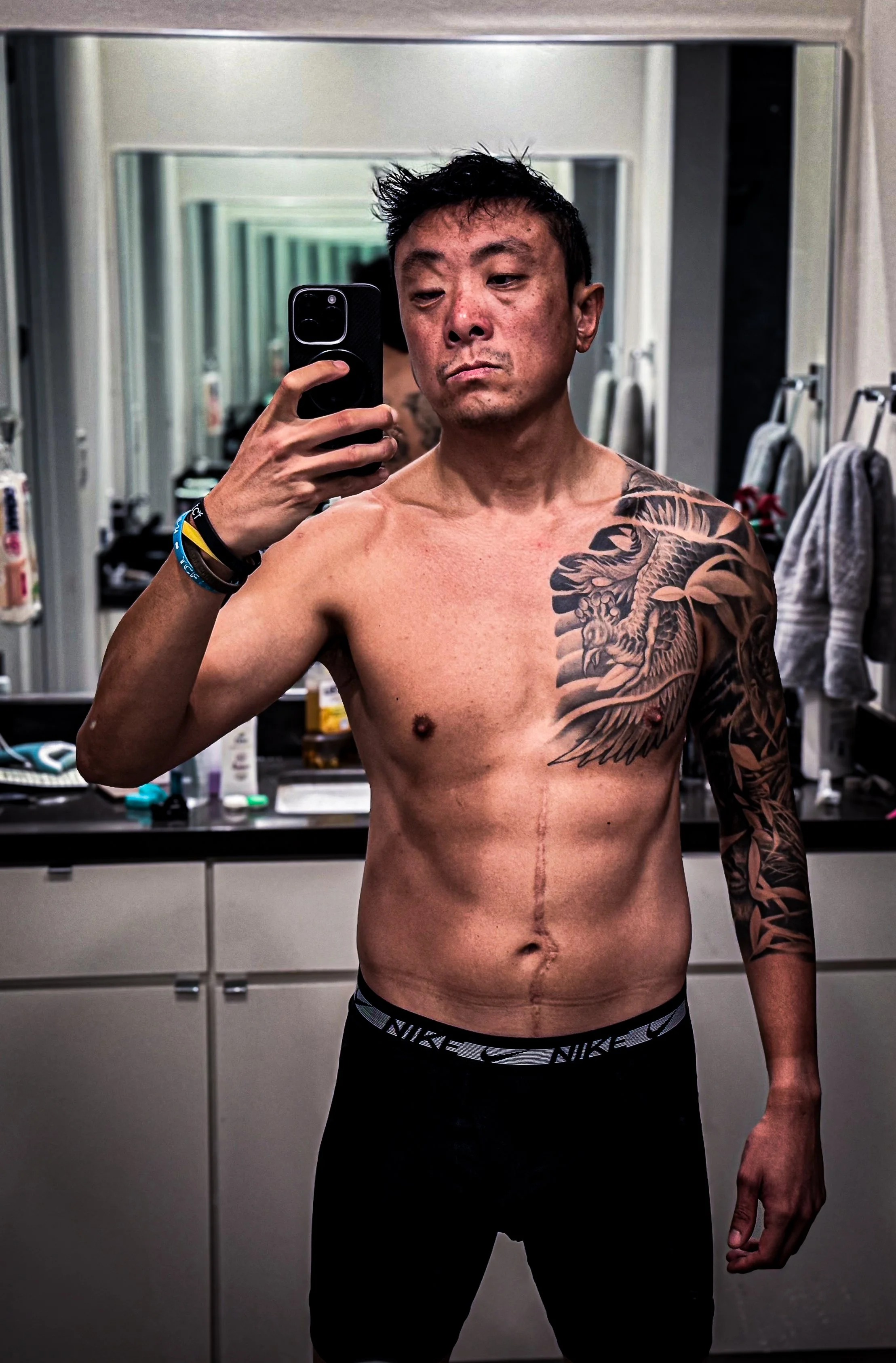
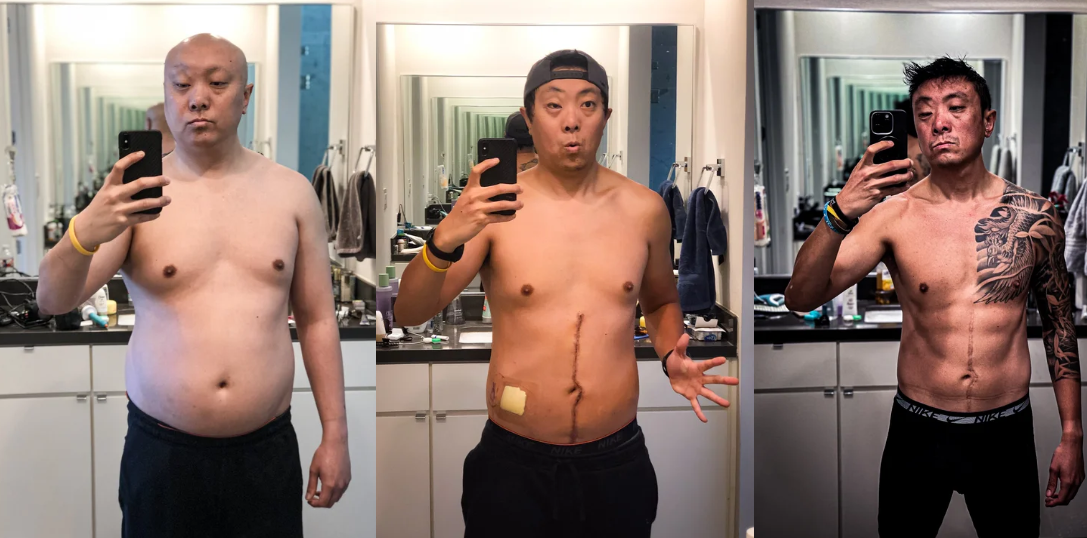
I was diagnosed in the fall of 2019 at age 33 and treated at MD Anderson in Houston, Texas by Dr. Matthew Campbell. After experiencing sharp pain in my lower back, I visited my primary care doctor, where an ultrasound revealed a softball-sized tumor wrapped around my lower aorta. I had no pain or swelling in my testicle—the cancer had already burned out there and spread to my lymphatic system.
I was diagnosed in the fall of 2019 at age 33 and treated at MD Anderson in Houston, Texas by Dr. Matthew Campbell. After experiencing sharp pain in my lower back, I visited my primary care doctor, where an ultrasound revealed a softball-sized tumor wrapped around my lower aorta. I had no pain or swelling in my testicle—the cancer had already burned out there and spread to my lymphatic system.
From November 2019 through January 2020, I underwent four rounds of inpatient VIP chemotherapy, followed by an RPLND surgery in June 2020, all during the height of COVID. At the time of my diagnosis, I was married with a young son who was just three years old.
Looking back, I sincerely wish I had known about the Testicular Cancer Foundation during my treatment. As young adults, we often underestimate the physical, emotional, and mental toll cancer takes, and it is easy to think you have to handle it alone. What I would say to others facing testicular cancer is this: cancer is life-changing, no matter where you are in the journey. Whether you have just been diagnosed, are in treatment, or are navigating survivorship, support matters—and so does giving support to others.
Being part of a community like the Testicular Cancer Foundation can change how you experience this disease. One day, you may even realize that while cancer is something you would never choose, it helped shape you in ways you never expected—and connected you to people who truly understand what you have been through.
Not medical advice. This article is for general information only and is not a substitute for advice, diagnosis or treatment from your own doctor. If you notice a change in your body, talk to a doctor. In an emergency, call 911. Questions? Call the TCF support line at 1-855-390-8231.
Not medical advice. This is one person's experience, shared in their own words. Every diagnosis is different, so talk with your own doctor about yours. In an emergency, call 911. Questions? Call the TCF support line at 1-855-390-8231.
Was this article helpful?
Thanks for rating this article. It helps us keep TCF's guides useful.
Thank you. Your report went to the TCF team and we'll take a look.
Tell your story
Your story could be the reason someone checks.
Survivors, patients, caregivers and advocates: share what you went through. It helps the next guy feel less alone and reminds him to do the self-exam.