
How to Perform a Testicular Self-Examination
A monthly testicular self-exam takes less than one minute and could save your life. Testicular cancer is the #1 cancer in young men aged 15–34 — but it has a 99% survival rate when detected early through regular self-checks.
Why Testicular Self-Exams Matter
Testicular cancer is one of the most beatable cancers when detected early through regular self-examination. Knowing how to check yourself is the first step.
Most Common Cancer
Testicular cancer is the most common cancer in males ages 15–34. One male is diagnosed every hour.
Lack of Awareness
62% of those most at risk don't know how to check themselves. We lose one male every single day.
Highly Treatable
When caught early at Stage 1, testicular cancer has a 99% survival rate. Early detection saves lives.
Step-by-Step Guide
Follow these simple steps to perform a thorough testicular self-examination.
1) Choose the Right Time for Your Self-Exam
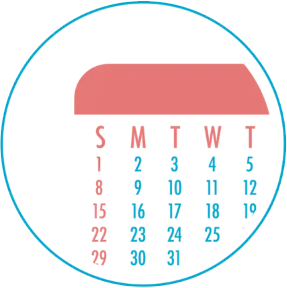
The best time to perform a testicular self-examination is during or right after a warm shower or bath. The warmth causes the scrotal skin to relax, making the testicles hang lower and easier to examine. This is important because tense scrotal muscles can make it harder to feel for abnormalities. Set a monthly reminder — many men choose the first of each month.
2) Stand in Front of a Mirror
Before touching anything, visually inspect your scrotum in a mirror. Look for any visible swelling, redness, or changes in the skin. While it's normal for one testicle to be slightly larger or hang lower than the other, watch for any new asymmetry or sudden changes since your last exam.
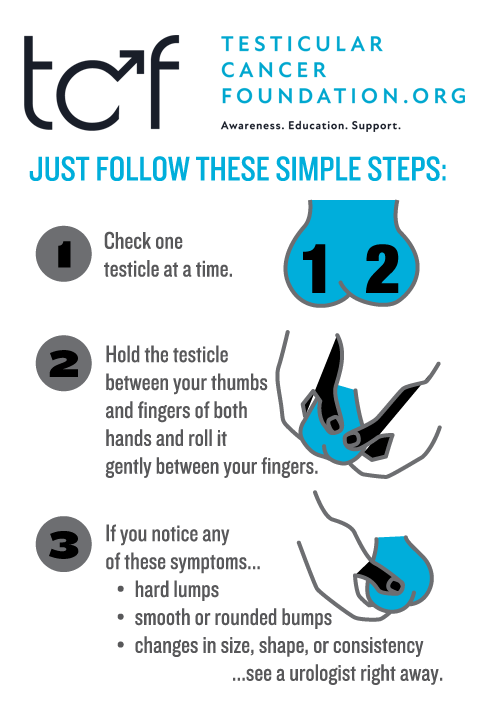
3) Examine One Testicle at a Time
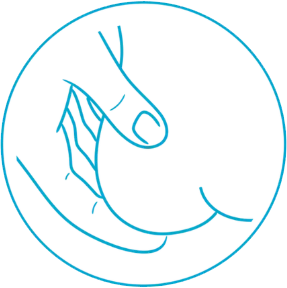
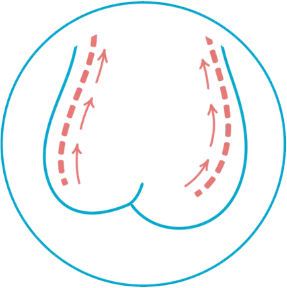
Cup one testicle using both hands. Place your index and middle fingers underneath the testicle and your thumbs on top. Gently roll the testicle between your thumb and fingers, covering the entire surface. You're feeling for anything that shouldn't be there — the testicle itself should feel smooth and oval-shaped, like a hard-boiled egg without the shell.
4) Feel for Lumps or Abnormalities
As you roll the testicle, pay close attention to any hard lumps, smooth rounded bumps, or areas that feel different from the surrounding tissue. A testicular cancer lump is typically painless, pea-sized or larger, and feels hard or firm. It will be attached to the testicle itself rather than floating freely in the scrotum.
5) Locate and Check the Epididymis
Find the epididymis — a soft, comma-shaped tube located at the back of each testicle. This is a normal part of your anatomy that stores and transports sperm. It may feel slightly bumpy and tender, which is normal. Don't mistake the epididymis for a lump. With practice, you'll learn to distinguish it from an actual abnormality.
6) Repeat the Exam on Both Testicles
After thoroughly examining one testicle, repeat the exact same process on the other side. Compare both testicles to each other. While slight differences in size are normal, any new difference, sudden change, or lump on either side warrants a visit to your doctor.
7) Look for Changes Over Time
The key to effective testicular cancer screening is tracking changes from month to month. Note whether either testicle has grown larger, feels heavier, or has changed in shape or consistency. A painless lump that grows over time, sudden swelling, or a feeling of heaviness could be signs of testicular cancer.
8) Note Any Pain or Discomfort
While performing your self-exam, pay attention to any pain or discomfort. Although testicular cancer is most often painless, some men experience a dull ache in the lower abdomen or groin, a feeling of heaviness in the scrotum, or tenderness in the testicle. Even if there's no lump, persistent discomfort in this area should be evaluated by a healthcare provider.
9) Make Monthly Self-Exams a Habit
Perform your testicular self-examination once every month on the same day. Consistency is what makes self-exams effective — by checking regularly, you'll become familiar with what's normal for your body and quickly notice anything new. Set a phone reminder, tie it to another monthly habit, or order a free shower reminder card from TCF.



What to Look For During a Testicular Self-Exam
Knowing what's normal helps you identify any changes quickly. Here's what healthy testicles feel like versus the warning signs that require a doctor's visit.
Normal Findings
- Smooth, oval-shaped testicles
- Soft, rope-like epididymis at the back
- Slight size difference between testicles
- Firm but not hard consistency
Warning Signs
- Hard lump on the testicle (usually painless)
- Sudden swelling or enlargement
- Change in testicle texture or consistency
- Dull ache in lower abdomen or groin
- Feeling of heaviness in the scrotum
When to See a Doctor
If you detect any abnormalities, such as a hard lump or persistent pain, seek advice from your primary care provider or a urologist immediately. Early evaluation can lead to prompt diagnosis and treatment.
Remember: Most lumps are not cancer, but only a doctor can make a proper diagnosis. Don't wait — early detection is key to successful treatment.
Free Resources
Order free testicular self-exam shower cards to help you remember the steps every month.
Order Free Shower CardsWhat's next for you?
Whether you just found something or you're deep into treatment, we have resources for every step.