
Testicular Cancer 101
Essential knowledge and resources to understand, detect, and navigate testicular cancer — from symptoms to support.
Testicular Cancer Rates Among Hispanic Men Have Been Rising for 30 Years
For decades, testicular cancer was framed as a disease that primarily affected young White men. A 30-year study from the NCI changes that picture -- and the data on who is being diagnosed, at what age, and at what stage, demands a different kind of response.
Most Young Men with Testicular Cancer Never Get a Formal Fertility Referral
A diagnosis moves fast. One day you find a lump, and within days you're being scheduled for surgery, meeting oncologists, and trying to absorb information that feels like it's coming from every direction. In that blur, something important often gets skipped entirely: the conversation about your fertility.
Left Testicle Pain: Causes & When to See a Doctor
Pain in your left testicle can be scary and confusing, especially if you’re not sure what’s causing it. While left testicle pain can stem from something minor, like a strain or temporary irritation, it can also signal a more serious condition that needs medical attention. This guide will help you understand the possible causes of left testicle pain, what to watch for, and when to see a healthcare provider.
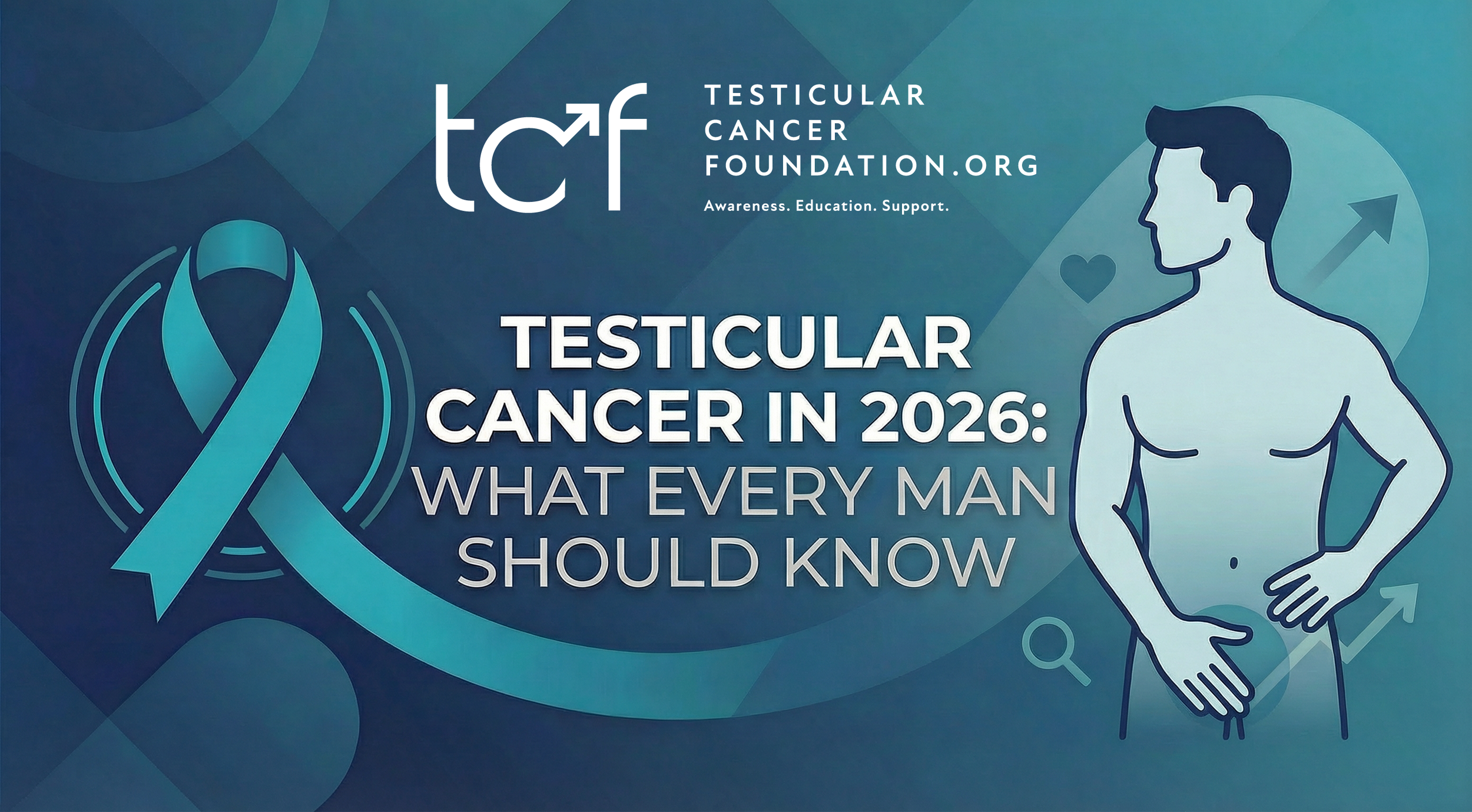
Testicular Cancer in 2026: What Every Man Should Know
Testicular cancer remains one of the most beatable cancers, and in 2026 that reality is clearer than ever. Advances in early detection, treatment, survivorship care, and public awareness have transformed outcomes, but only for those who know what to look for and act quickly.

My BEPx3 Journey: Testicular Cancer & Community Support
Join me as I share my BEPx3 chemotherapy journey, highlighting the power of community support in navigating testicular cancer.

Young, Healthy & Facing Cancer: My Testicular Cancer Story
Read a personal journey of facing testicular cancer as a young, healthy man. Learn about early detection, treatment, and finding strength through community.

Scanxiety & Hope: A Testicular Cancer Survivor's Story
Explore a testicular cancer survivor's journey through scanxiety and the power of hope, offering insights and inspiration for those facing similar challenges.

Testicular Cancer Remission: A Story of Hope and Healing
Read an inspiring story of hope and healing from testicular cancer remission, offering insights and encouragement for those on a similar journey.
Testicular Cancer: Proven Treatments & Your Best Choices
Understand testicular cancer treatments, from surgery to chemotherapy, and learn how to make informed choices for your health journey.
Long-Term Effects of EP/VIP Chemo for Testicular Cancer
Understand the long-term effects of EP/VIP chemotherapy for testicular cancer, including potential side effects and strategies for managing your health.
My BEP Chemo Experience: A Practical Guide
Navigate the challenges of BEP chemotherapy with practical tips and personal insights. Learn how to manage side effects and find support during treatment.
Testicular Prosthesis: Exploring Emotional & Physical Experiences
Understand the emotional and physical aspects of living with a testicular prosthesis, from surgery to daily life, and find supportive resources.
Palliative Care or Cancer Treatment: Making the Right Choice
Understand the differences between palliative care and cancer treatment to make informed decisions that align with your personal health goals and quality of life.
Testicular Ultrasounds: A Complete Guide
Get a comprehensive understanding of testicular ultrasounds, including what to expect, potential outcomes, and how to prepare for the procedure.
Natera mRNA Testing for Testicular Cancer: A Patient's Guide
Learn how Natera mRNA testing aids in monitoring testicular cancer, offering personalized insights for treatment and recurrence detection.
Fertility After Testicular Cancer: A Practical Guide
Understand how testicular cancer treatment affects fertility and explore options for preserving your ability to have children in this practical guide.
AI-Powered Summarization: Improving Oncology Care
Learn how AI-powered summarization is transforming oncology care by enhancing efficiency, supporting clinical decisions, and improving patient outcomes.
Testicular Cancer: Thriving Beyond the 5-Year Mark
Learn how to thrive beyond the 5-year mark after testicular cancer, with tips on emotional well-being, follow-up care, and building a supportive network.
Can Anxiety Cause Testicular Pain? Understanding the Connection
Explore how anxiety can cause testicular pain, its symptoms, and effective strategies for relief. Learn about the mind-body connection and find support.
Testicular Cancer & Heart Health: What You Need to Know
Understand the link between testicular cancer and heart health. Learn how treatments can affect your heart and discover ways to protect your cardiovascular well-being.